From growing citrus trees to having enclosed porches
“Florida room”, “sun porch”, “winter garden” o “conservatory” are just some of the names that solariums or sunrooms get around the world: this enclosed terraces or porches seize every bit of sunlight while allowing access to the view and shielding its guests from the inclemencies of the weather.
These glassed-in rooms have existed for centuries in their primitive forms. Glass windows were first invented in Egypt, around the Ist century BC, and those were rapidly applied to structures that were already standard by then, like proto-greenhouses or self-warming buildings that used sunrays as heat.
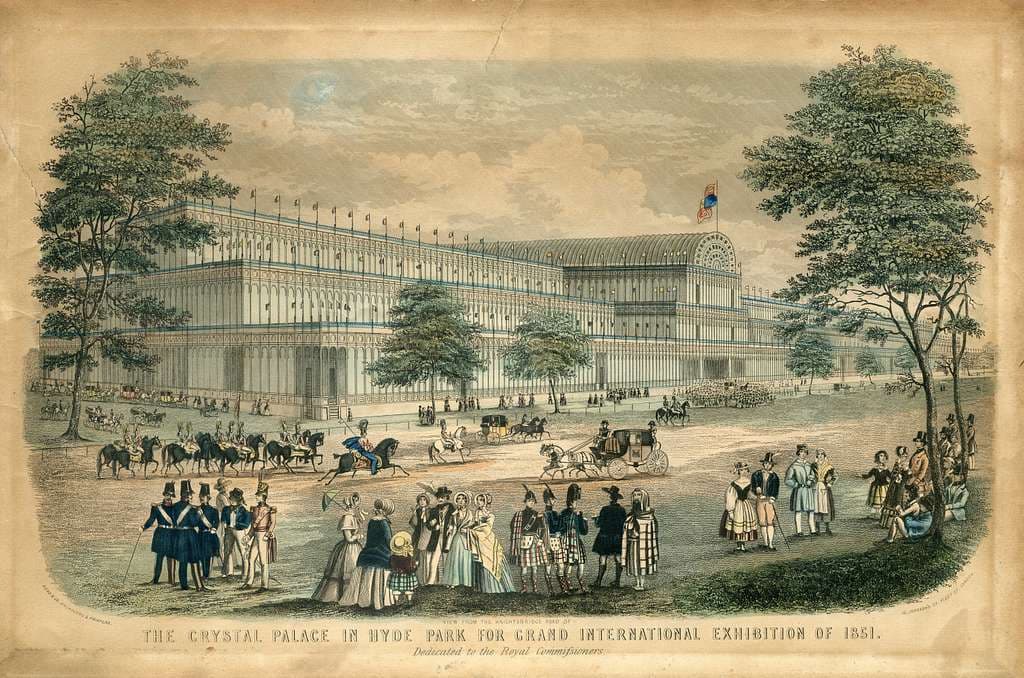
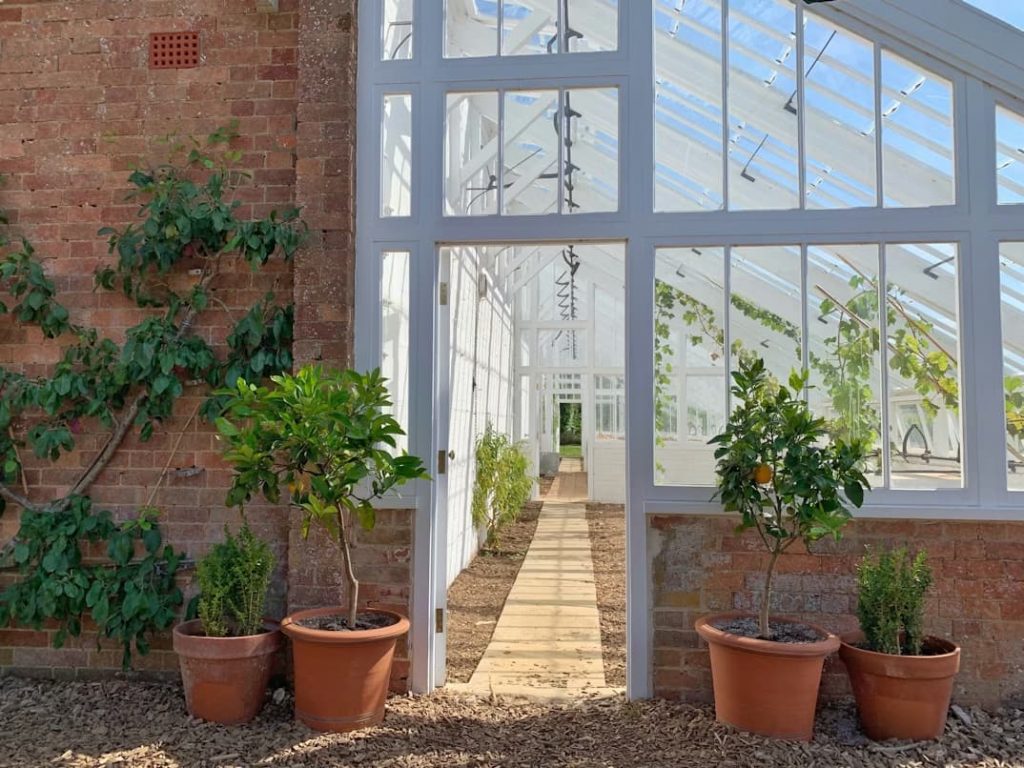
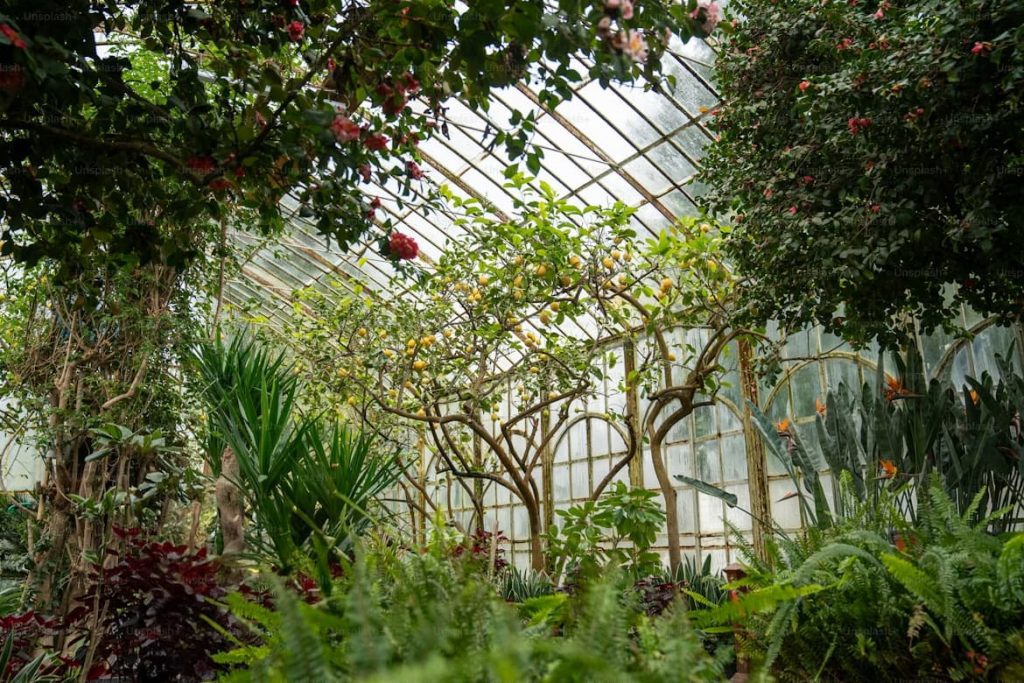
During the Middle Ages, Italian botanical gardens started to popularize, and, later on, the orangeries emerged. These were big crystal rooms where to cultivate citrus trees (thus the name), which would perish during harsh European winters.
A glass room of one’s own
Along the XIXth century, natural light came to the forefront of artistic trends. Impressionist painters made it the spine of their movement, and a whole architectonic approach was developed around it.
The shielding role of orangeries was quickly overshadowed by the aesthetic possibilities of a room made of glass. Functional furniture made an appearance as solariums became increasingly populated by people, and not just plants.
Open and bright spaces where to combine vegetation and natural light became a staple of modern well-to-do houses. In Mediterranean countries, where summers are hard and winters are soft, solariums never really took. There are other structures that fill the need for shelter and connection with nature and sunlight, like the traditional Mediterranean patio. However, in Northern Europe, where low temperatures make it difficult to enjoy the sun during the cold season, glass rooms became a sign of the times during the XXth century.
By the mid 60s, construction companies and design studios could start incorporating affordable glass curtains and windows, and solariums spread rapidly in temperate climate countries, particularly in anglo-saxon nations.
Different names for a solarium around the world
Conservatory
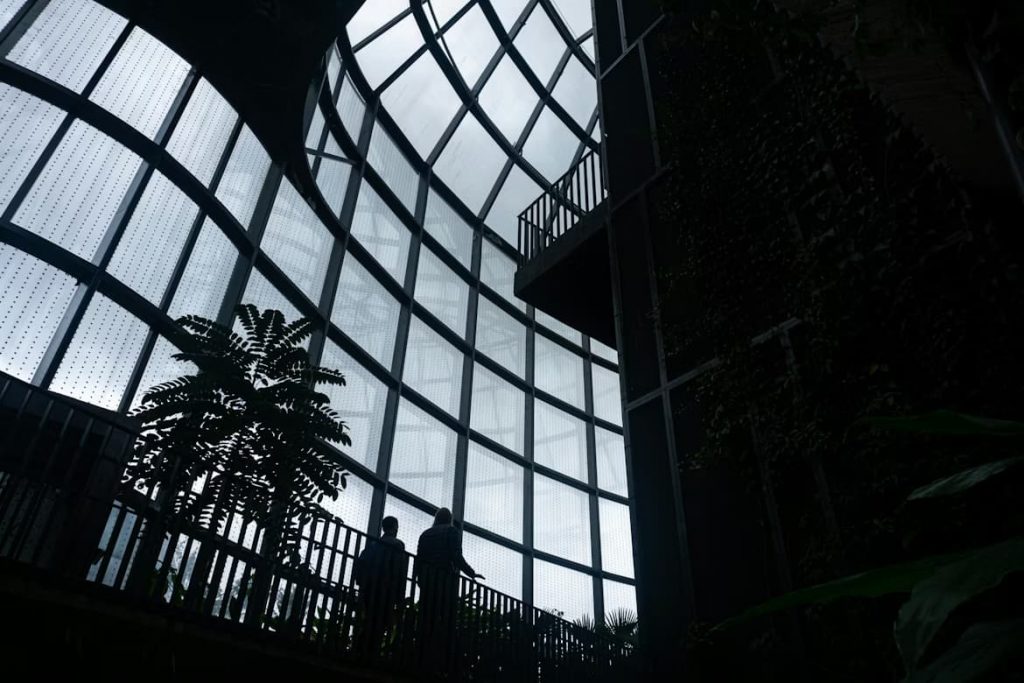
Is the closer format to the original orangerie. It is usually characterized by having a glass ceiling, on top of the glass curtains of its walls. It is the most traditional version and the most widespread within European architecture, particularly when paired with Victorian, Neo-Gothic or Industrial styles.
Florida room
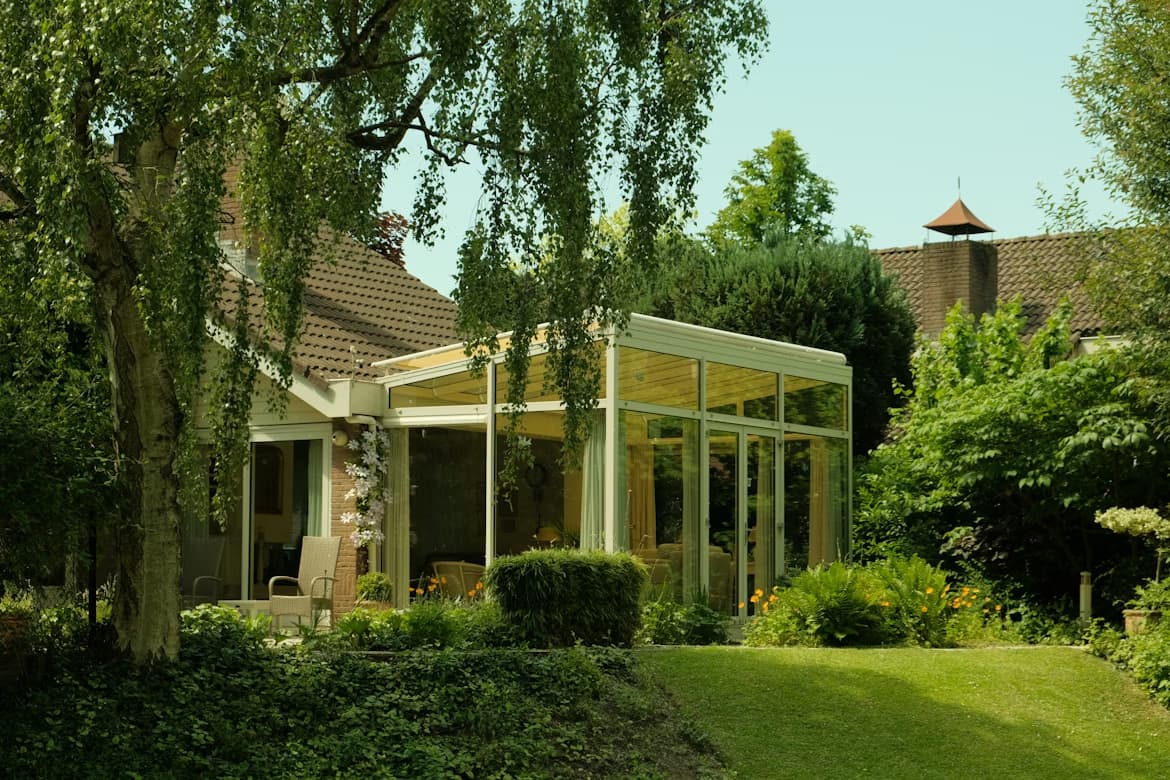
It gets its name from the vast popularity this kind of room got in the Southern state of Florida during the 60s. A Florida room is usually integrated at the back of the house, and its purpose is usually to get away from the heat, instead of trapping it.
If a space can be closed with glass curtains, then it can be artificially cooled, which is tremendously useful in places like Florida, where temperatures can go up to 100ºF degrees during the summer with a seventy five per cent humidity.
By installing a glass enclosure, the necessary conditions for human comfort can be achieved without giving up sunlight or visual contact with nature.
Arizona room
This would be a glassed-in porch. Unlike a Florida room, which is usually attached to the house, an Arizona room is a porch transformed into a shielded space.
This kind of solarium is relatively new in comparison to its counterparts, and is designed to make the most of an architectural feature that is a staple of the American Southeast.
Wintergarten
These are usually spaces prepared to withstand negative temperatures during the winter. Often found in Northern cultures, wintergartens are designed to resist not just the cold, but heavy rain and snow, which is why most of them have gable roofs.
Because of how little sun these areas of the world receive per year, these spaces usually receive intensive usage, to seize the sunlight as much as possible.
Glaxior: the perfect ally for the perfect sunroom
The most important thing when designing and building a room like this is to have a reliable supply of materials and partners that guarantee the well-being, safety and satisfaction of the end users. That is why, no matter the kind of solarium you are out to build, Glaxior is the ally you were looking for.
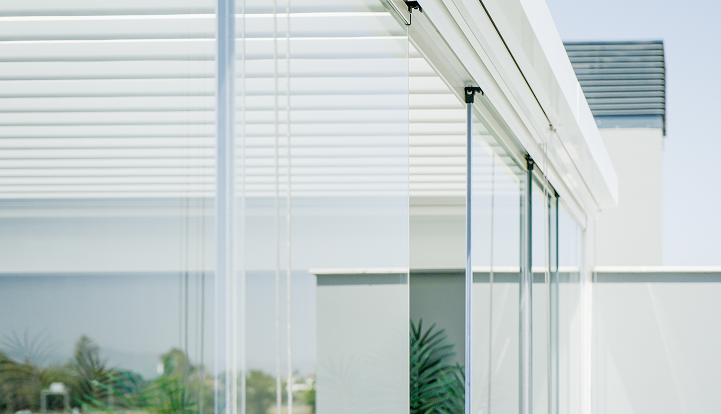
With our sliding and folding glass curtains, you can give your customers a space that not only allows them to take advantage of their natural resources, but also adapts to their needs in real time. Thanks to our extensive experience and technical excellence, any and all projects that incorporate our glass curtains guarantee an outstanding experience for the final client and the satisfaction of all parties involved in the process. Count on Glaxior, and offer your customers a reliable sunroom, tailored to their needs.