We take a closer look at biophilic architecture: the approach that seeks to promote harmony between humans and nature
Its name is fairly self-explanatory: “bio” means “life,” and “philia” is a suffix that conveys an affinity or inclination toward something. Biophilic architecture, therefore, is architecture that is oriented toward the well-being of living beings.
It may seem redundant, for shouldn’t all architecture be oriented toward sustaining life? And yet, in our architectural decisions and trends, we often prioritize the well-being of other types of systems: the productive, educational, and healthcare sectors… In many of our buildings, we see a focus on optimizing processes, reducing wait times, and cutting costs.
However, all these functions, which are often necessary, sacrifice contact with nature in their processes. And this is true not only in architecture but in many other fields of production. That is why, in the mid-1980s, biologist Edward E. Wilson published the iconic book Biophilia, which explores the relationship between natural processes and species, popularizing the term.
Over time, and ever since then, we have come to apply the term “biophilic”—understood as anything that respects, promotes, and prioritizes nature—to disciplines beyond botany. Among these is the one we are discussing here: architecture. Let’s explore some of the principles of biophilic architecture and how they relate to the use of materials.
The basics of biophilic architecture
There is no single precursor or inventor of biophilic architecture as such, as it is rather a discipline that applies biological and philosophical principles to architecture, yielding an aesthetic result that is more consequential than causal.
Below, we list three principles (among others) that an architectural project must meet to be considered part of the biophilic branch of architecture:
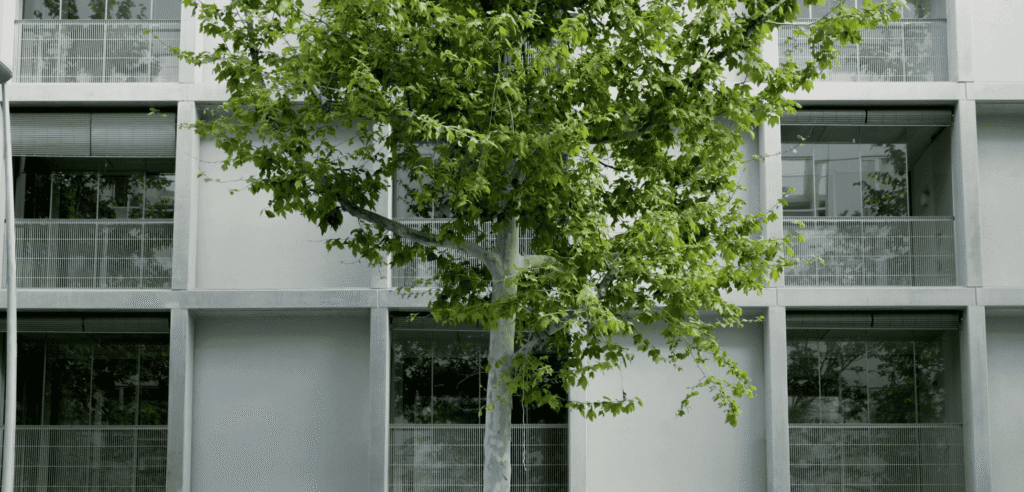
–Presence of natural elements: vegetation, water, direct natural light, and wildlife when ecosystem conditions permit. This presence should not be merely incidental but dominant.
–Direct connection with these elements: the architectural design must allow for coexistence and interaction between the users of a space and its natural elements. One of the primary forms of this interaction should be through direct visual contact.
–Sustainable design: both of the above points must be supported by a design that respects local environments and ecosystems, striving to have the least possible impact and integrating native biodiversity into the project.
Glazing systems: a valuable ally in biophilic architecture
The three points described above must not overlook the functionality of spaces and the comfort of end users. After all, we are not talking about conservationist architecture, designed solely for ecosystems and biodiversity, but rather an architecture that enables the coexistence of humans and nature. The design must be functional.
To achieve this, it is essential to have architectural elements that support the prosperity and coexistence of both environments. Movable glazing systems are the perfect bridge between the two worlds. Our glass curtains—both folding and sliding—allow spaces to be opened and closed without restricting the entry of light in any way. These are the features that make our glass curtains the perfect partner for a biophilic architecture project:
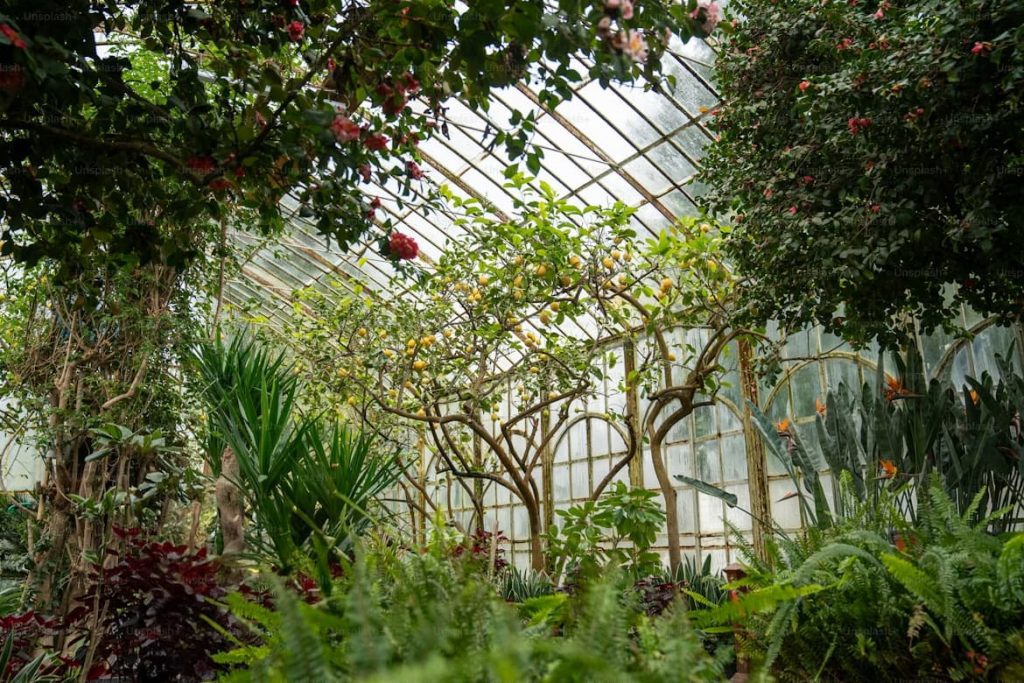
–Complete transparency. Despite the thickness and enhanced safety of the tempered glass we use, the flow of light remains completely unaltered and uninterrupted. With our glass curtains, you can create environments that protect plants—and people—from wind or heat and cold waves, replicating the conditions of a greenhouse (we previously discussed orangeries on our blog: the quintessential biophilic structures in Western architecture).
–Ease of cleaning the system. Nature is not sterile, and living things tend to generate some kind of byproduct. Whether it’s increased condensation, soil residue, or even biological debris from insects, birds, or small rodents, spaces that coexist with nature have a specific type of “dirt.” Our glazing systems are designed to be easily cleaned from both sides, eliminating a problem faced by other types of enclosure systems that use materials prone to rust or require a greater investment in maintenance.
–Compatibility with other structures. Nature is not fond of rigidity: spaces designed to support ecosystem health must be flexible and dynamic. It is highly likely that a biophilic architecture project will need to make specific modifications to accommodate the needs of the biodiversity it will host. For this reason, architects and designers need to work with suppliers who can offer a customizable, adaptable, and versatile product.
Energy vs. wellness: the difference between biophilic architecture and bioclimatic architecture
Since the 1970s, we have known that nature is our best ally in addressing the challenges posed by the climate crisis, but it is only now that we are beginning to implement these principles—referred to in many circles as Nature-Based Solutions—on a more widespread basis.
Biophilic architecture isn’t just beneficial for plants—it’s also beneficial for humans and the planet. By prioritizing the well-being of ecosystems in design, we maximize the benefits of a discipline closely related to biophilic architecture: bioclimatic architecture, which we’ve discussed previously on our blog.
But what is the difference between bioclimatic architecture and biophilic architecture? The most notable difference between the two disciplines lies in their approach: bioclimatic architecture seeks to harness natural resources to optimize energy use, while biophilic architecture seeks to maximize the well-being of living beings, both animals and plants.
As we can see, the priorities of these two disciplines differ, yet one is a consequence of the other. When a project is designed with a bioclimatic approach, it undeniably improves the quality of life for the natural elements present within the project. And when pursuing a biophilic approach, the presence of natural elements helps improve user comfort and save energy, thanks to the thermoregulatory function provided by well-balanced ecosystems and sustainable, durable, and waste-free materials, such as our glazing systems.