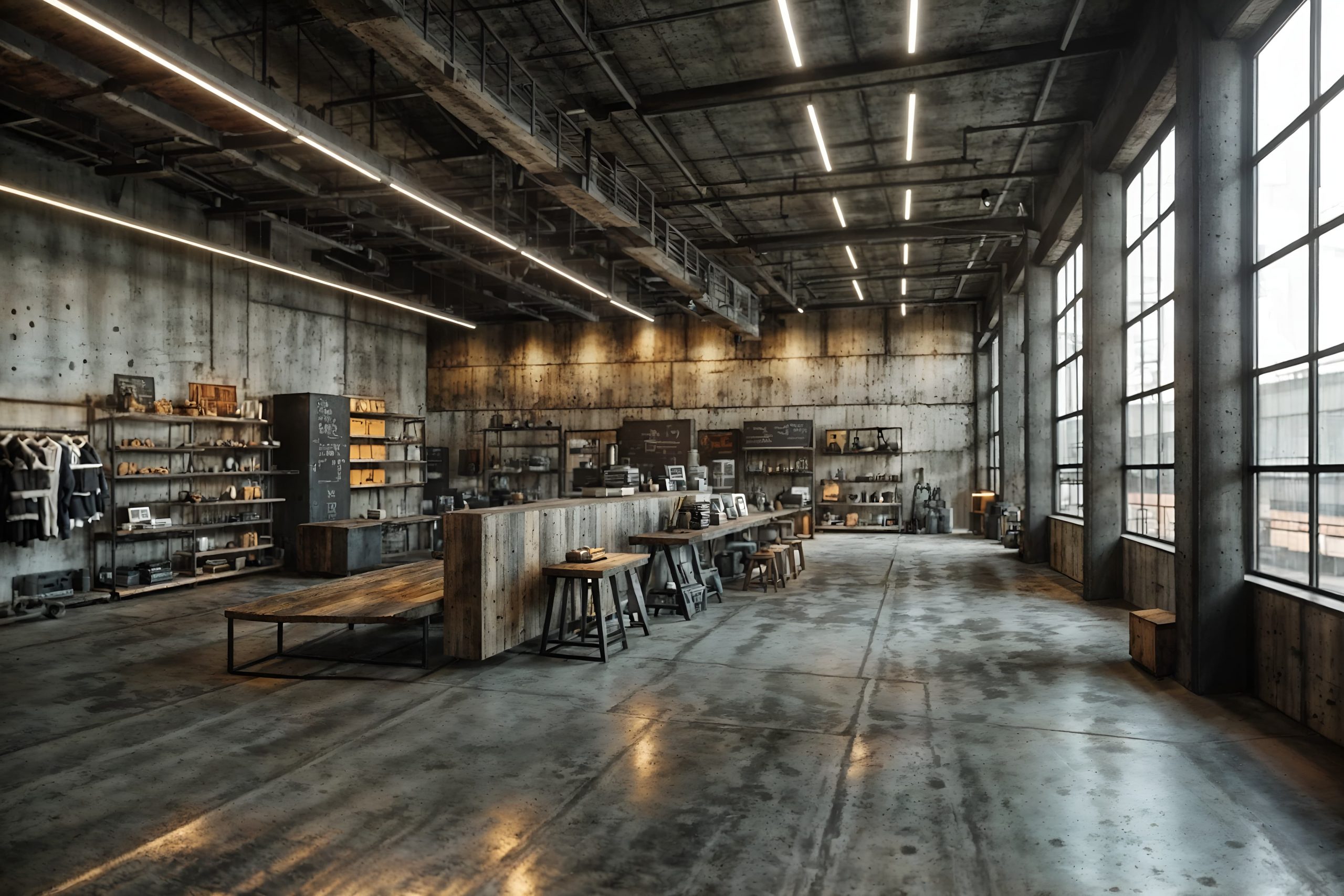
We dive into the architectural trend that unifies the use of glass, steel and exposed brick, with a laid-back and minimalist aesthetic
The origins of industrial style
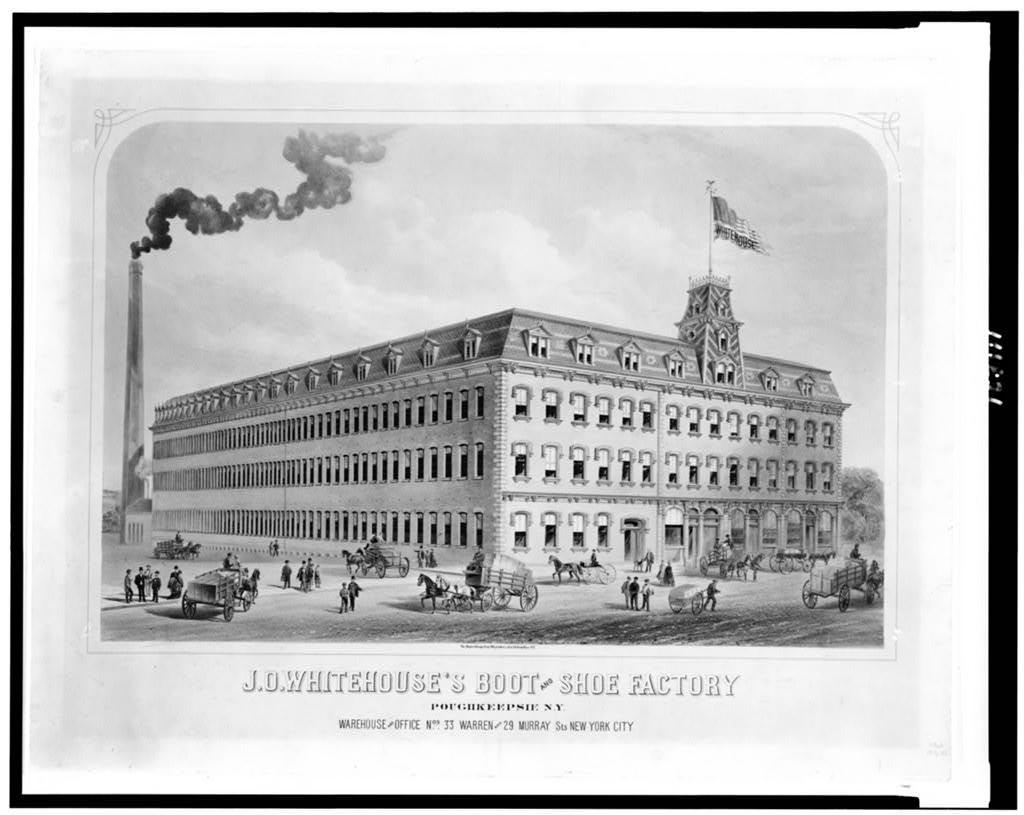
In the early Sixties, New York City entered an economic recession that it wouldn’t recover from until well into the Eighties. Middle class people migrated in flocks to the suburbs, and the public budget was massively concentrated into highways, leaving abandoned other types of infraestructures, such as those that upheld the industrial fabric of the city. The factory life that had divided the city’s boroughs essentially by trade until then quickly dissintegrated. At the same time, the city was facing an increasingly severe housing crisis.
These unfortunate circumstances gave as a result a city filled with empty industrial buildings and citizens in need of affordable living alternatives. By the late Seventies, the use of abandoned factories as living spaces was common practice.
Industrial style, Bohemian sign
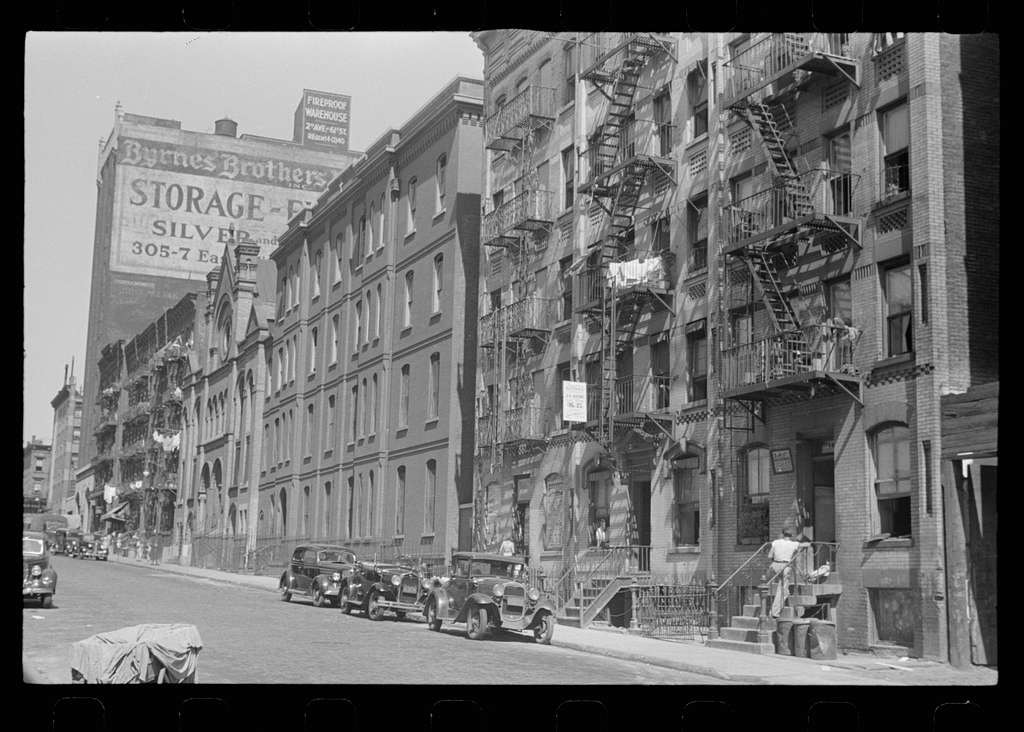
Manhattan in the Seventies was tremendously precarious, but it was also one of, if not the most, important cultural hubs in the world. That means that most of the New York citizens that started to occupy industrial spaces as housing were artists. Musicians, poets, movie makers, actors and performance artists started to populate old industrial buildings and abandoned factories. Some of them turned into actual landmarks of pop culture, such as Andy Warhol’s studio in 47th Street, which was quite literally called “the Factory”.
Over time, the industrial aesthetic ended up meshed with the ideals that its inhabitants incarnated: freedom and creativity, lightness, rebelliousness against a world that had barred them from accessing traditional housing options.
Today we imitate that style that was accidentally configurated, as a callback to that world that was full of creative and aesthetic possibilities. But what are the architectural and decorative items that make up the industrial style?
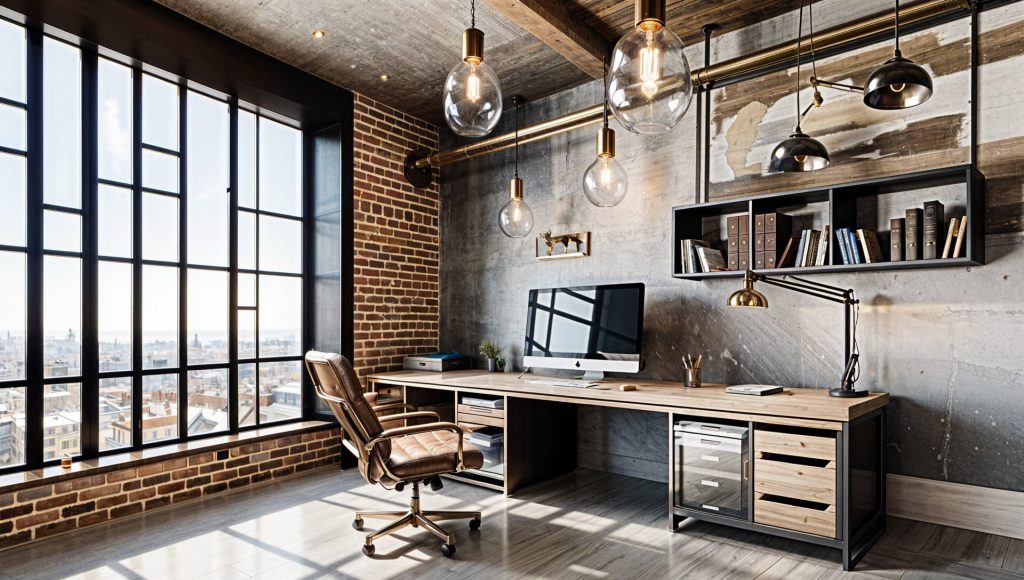
Big windows, steel structures and exposed brick, the corner stone of the industrial style
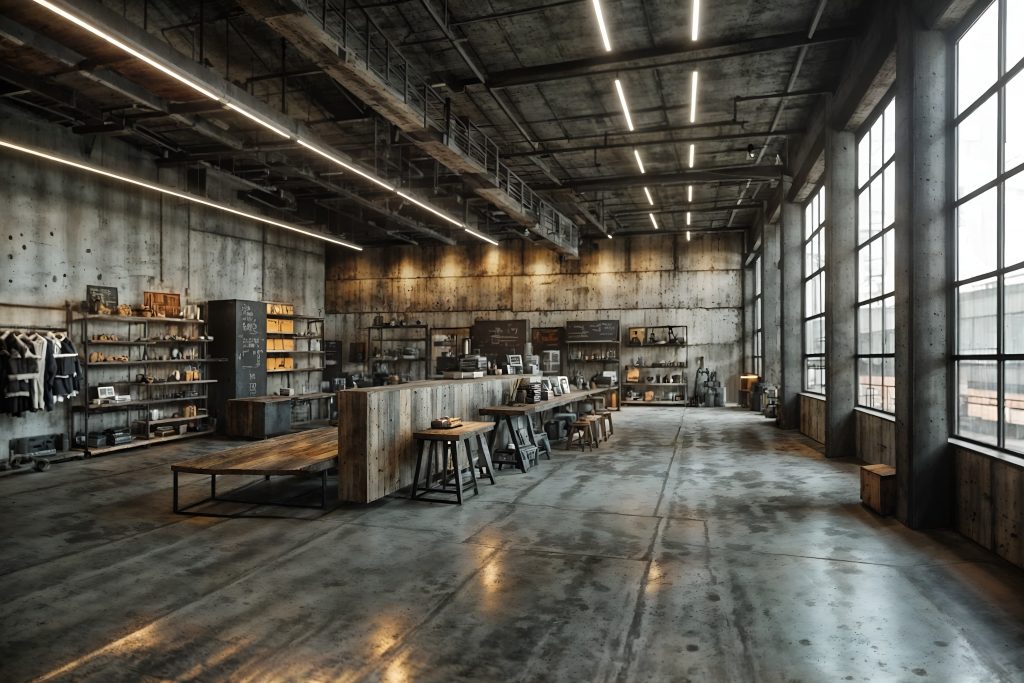
There are three distinct elements to the industrial style: exposed brick walls, forged iron or steel structures and big glazing. Each one of these has its place within the style:
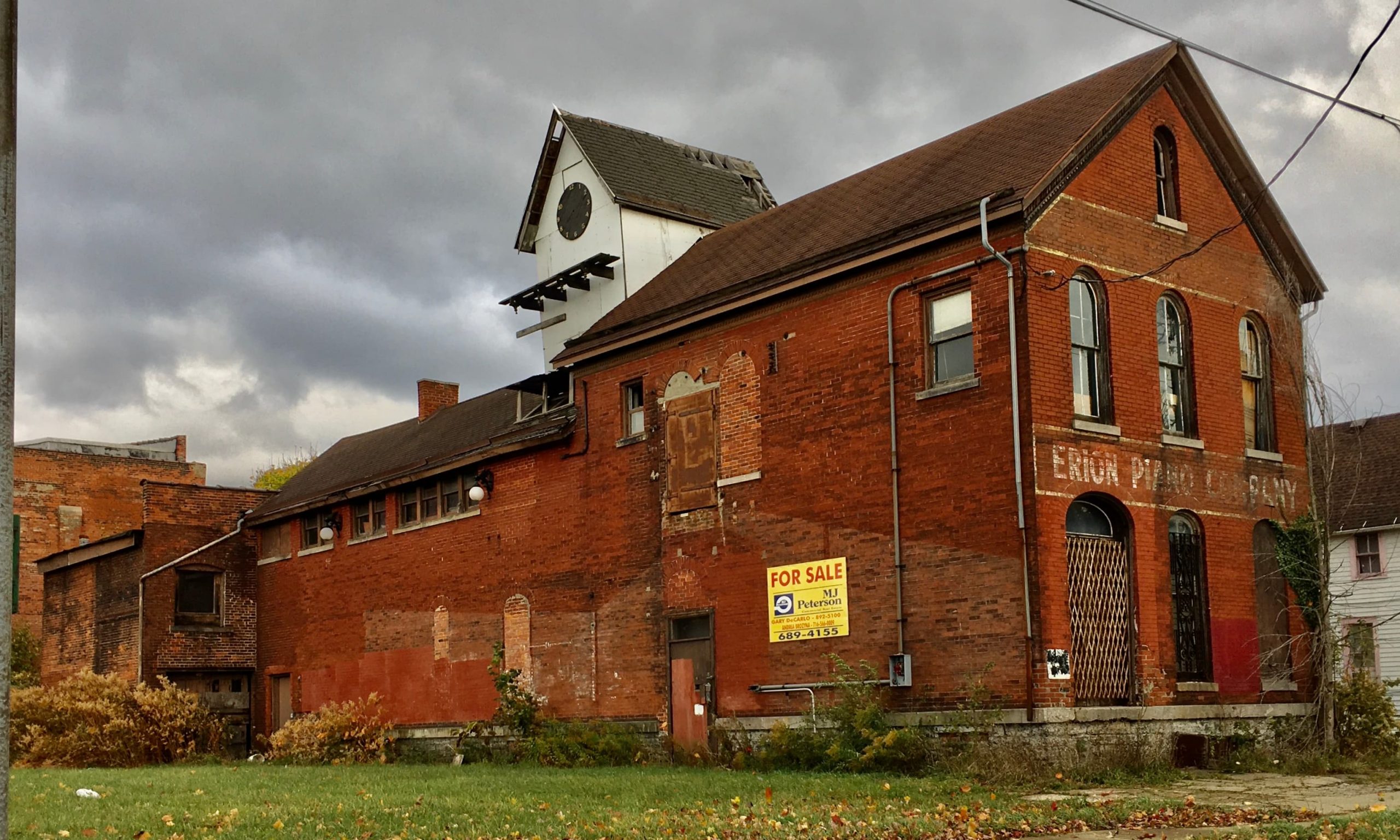
-Originally, the walls in the factories were plastered and painted. But by the time the owners started to rent them as living spaces, the claddings were partially deteriorated or destroyed, exposing the bricks underneath. Given the tenant’s profile, these kinds of damages were usually not repaired, and exposed brick walls became a sign of identity for these kinds of spaces. Today, it is the feature that brings us back the most to the creative and alternative part of this aesthetic, since it invokes the bohemian beginnings of the style, but it has lost the precariousness of its origin.
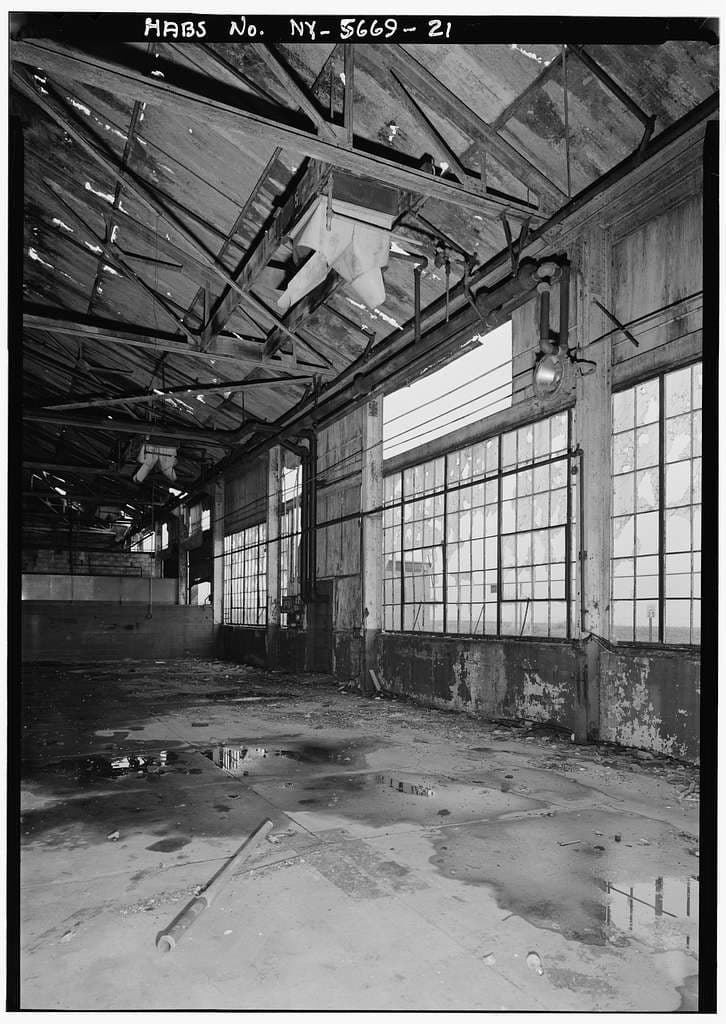
-The baseline of industrial style is found in the late XIXth century industrial architecture, which is when most of these factories that were later on inhabited by artists in the Seventies and Eighties were built. By then it was predominant the use of forged steel or iron structures. This is due to the high risk of fire that the heavy machinery used after the Industrial Revolution brought into traditional wooden buildings. The fire hazard was too great, and wood beams were quickly dismissed after a few tragic incidents.
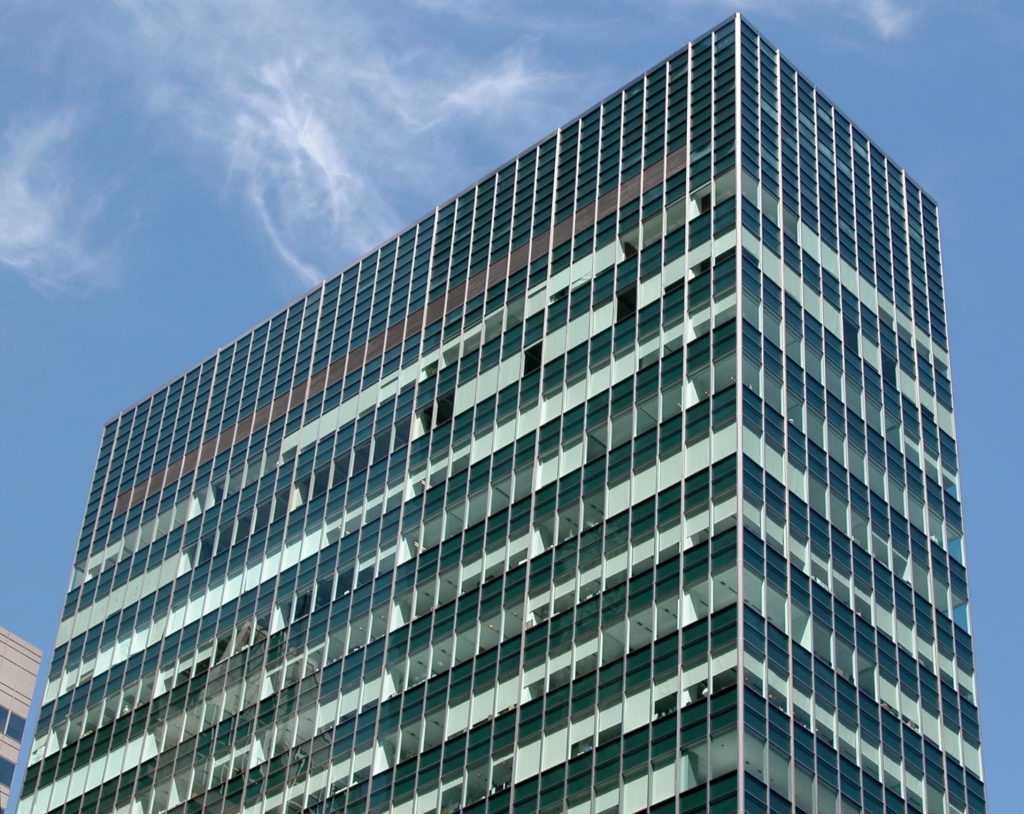
–Big glass windows, framed by forged steel or iron structures. The use of this kind of structures had the goal of seizing as much natural light as possible in order to save energy, back when the factories were factories. When they started to be used as living spaces, this big glazings were the canvas for the aesthetic proposal.
Big glass curtains for an industrial style
One of the big inconvenients of the industrial style, which is back in 2026, is that the original factories and wharehouses that gave way to the industrial vibe had not been designed to be used as homes. Those big windows brought a lot of light, yes, but they also made the spaces freezing cold and noisy. Early XXth century glass was brittle and thin, it broke easily and became opaque over time.
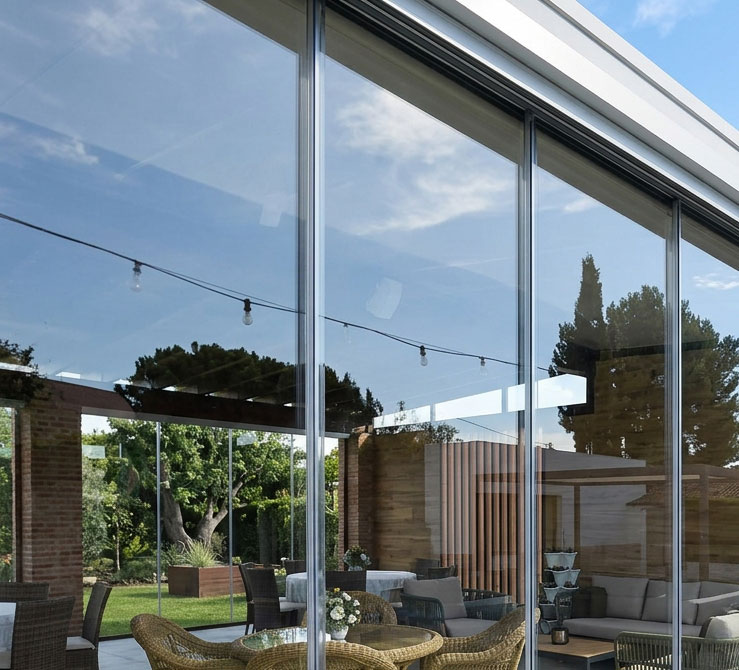
Which is why to recreate the industrial style in 2026, design and architectural firms opt for modern glazing systems that have simple but sturdy opening systems that can actually integrate into the user’s life, just like ours do.
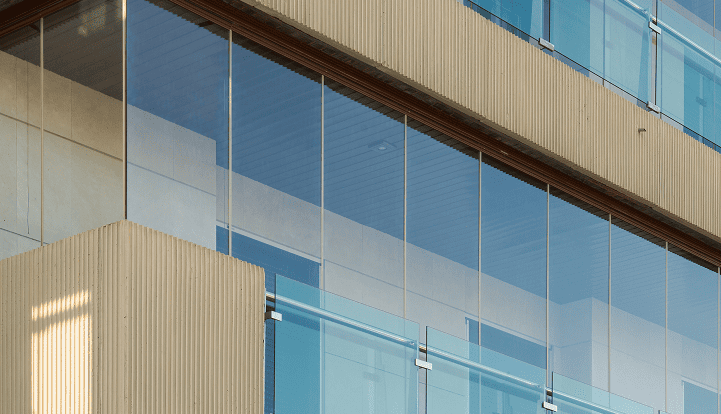
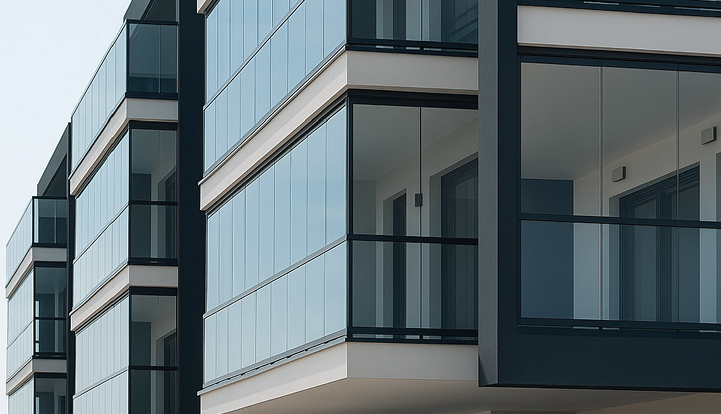
Glaxior’s sliding and retractable glass curtains are the perfect addition to an industrial style project. The tempered glass panels and the systems around them allow for designers to create open and safe spaces into which combine the original style openness without renouncing the confort of a good glazing system.
Get in touch with our technical team, and we’ll provide the best advice to choose the perfect glass curtain that will perfectly fit into your project, regardless of the style it’s in.